







Search Results for: common mistakes when brewing drip bag coffee

Common Mistakes and Correct Methods for Brewing Drip Coffee Bags: Why You Can't Just Steep Them Like Instant Coffee or Tea Bags
Drip bag coffee is the entry-level choice for many coffee novices getting into single-origin coffee. It requires no complicated equipment—just one drip bag, a pot of hot water, and a cup, and you can enjoy it with ease. But many people brew it directly as if it were instant coffee or a tea bag, and the result is either coffee grounds in their mouth or a cup of bitter, astringent, woody-tasting coffee water. This article explains in detail the design principles of drip bag coffee packets, points out four common brewing mistakes, and offers four key points for correct operation, including container selection, water temperature control, pouring technique, and coffee-to-water ratio. It also retains Front Street brand's recommended drip bag coffees from various regions, helping coffee lovers avoid pitfalls and brew single-origin coffee with excellent aroma and taste. [more…]
The Definition of Drip Bag Coffee and the Correct Brewing Method: Avoid Common Mistakes and Master Water Temperature, Ratio, and Pouring Techniques
Drip bag coffee, with its portability and ease of use, has become the choice for many people's daily specialty coffee. It is essentially a form of filter extraction, similar in principle to pour-over, yet it eliminates the need for a grinder, dripper, and other equipment. However, drip bag coffee is not instant coffee, nor can it be directly immersed or have water poured in all at once. This article focuses on the definition of drip bag coffee, common brewing mistakes, and the key points of proper brewing, including container selection, water temperature range, pouring method, and the 1:15 coffee-to-water ratio, while retaining relevant suggestions from Front Street Coffee to help you consistently brew a cup of drip bag coffee with clean flavor and clear layers. [more…]
Does Drip Bag Coffee Count as Specialty Coffee? The Correct Brewing Method for Portable Drip Bags and an Analysis of Common Mistakes
Drip bag coffee, with its portability and ease of operation, has become the top choice for many coffee lovers' daily brewing. But many people still treat it like instant coffee, or brew it the wrong way, causing it to lose all its flavor. Starting from the essence of drip bag coffee, this article will clarify how it differs from instant coffee and pour-over coffee, analyze four common wrong brewing methods one by one, and use freshly roasted Front Street Huakui drip bag coffee as an example to demonstrate the correct brewing process in detail, including container selection, water temperature control, pouring technique, and coffee-to-water ratio, helping you get a cup of specialty coffee with complete flavor anytime, anywhere. [more…]
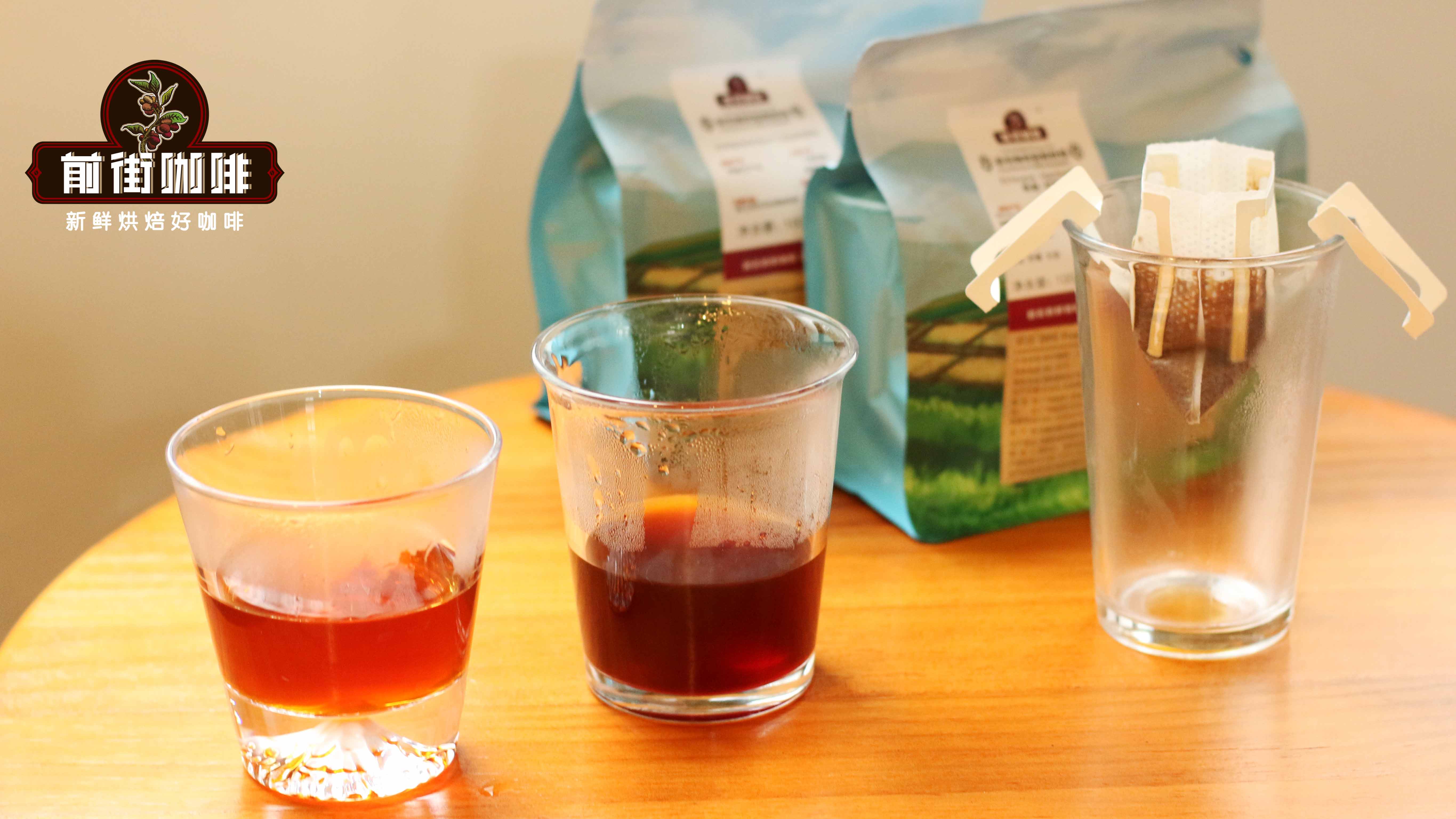
A Beginner's Guide to Drip Coffee Bags: Brewing Methods, Common Mistakes, and Buying Advice for Newbies
Drip coffee bags have become the top choice for many coffee lovers on the road thanks to their portability and ease of use. Survey data shows that 33% of users choose to bring drip coffee bags with them while traveling. Essentially, they consist of ground coffee sealed in a filter bag with hanging ear tabs, requiring only hot water and a cup to complete the brewing. Drip bags and pour-over both belong to the filtration extraction method, but drip bags eliminate the need to prepare a grinder, filter paper, and dripper. This article will cover the basic concept of drip coffee bags, the correct brewing method, and common mistakes made by beginners, while also incorporating the product features of the Front Street Coffee drip bag series to help those new to drip bags avoid pitfalls and brew a full-flavored cup of good coffee. [more…]
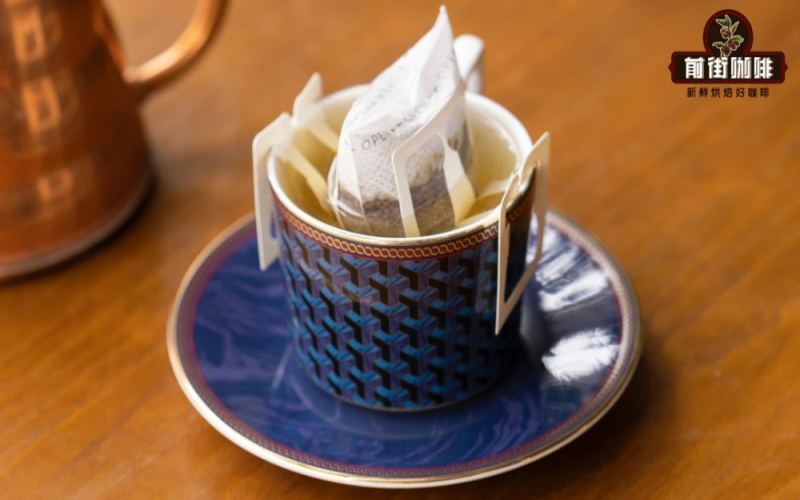
Drip Coffee Bag Pitfall Guide: Common Brewing Mistakes and Water Volume Choices, The Origin of 10 Grams Per Pack
Drip bag coffee, with its portability and ease of use, has become the top choice for many people's daily coffee. But the seemingly simple brewing process actually hides many details that are easy to get wrong. In this article, Front Street Coffee will share the key points for choosing drip bag coffee, common brewing mistakes, and the correct brewing steps, while also answering a frequently asked question: why does a single pack of drip bag coffee usually contain only 10 grams? If you also want to easily brew a cup of drip bag coffee with a clean flavor and distinct layers at home, this article is worth reading. [more…]

How do you brew drip bag coffee correctly? An illustrated guide to steps, water temperature, water volume, and common mistakes
Can drip coffee bags be brewed directly? Of course not. It is a filter bag containing ground coffee, and the coffee grounds are not instant. Soaking it directly not only wastes the design of the drip bag, but also gives you a mouthful of grounds. The correct method is to tear open the seal, unfold the drip bag card and hang it on the rim of the cup, then pour water through it to filter. This article uses a six-step illustrated guide to demonstrate in detail the brewing process for drip coffee bags, while also explaining the two key points of controlling the water temperature at 88-91°C and the total pouring volume of about 120-150 ml, and explaining why pour-over techniques such as circular pouring and blooming are of little significance for drip bags. The article also recommends Front Street Coffee's classic 5-origin drip coffee bags to help you quickly find the flavor you like. [more…]
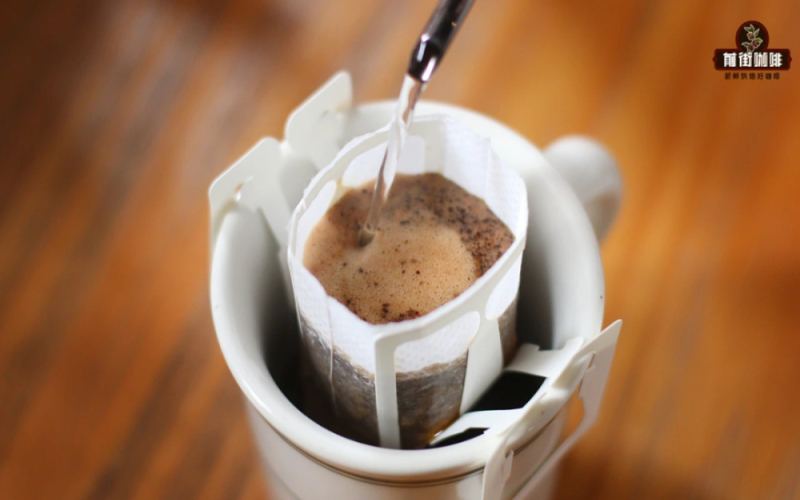
The essential difference between drip bag coffee and instant coffee, the production principle of drip bags, and key points for proper brewing
Drip bag coffee has become deeply embedded in many people's daily lives thanks to its portability, yet misconceptions surrounding its use are quite common. Some people treat it like a tea bag and steep it directly, some use it as if it were instant coffee, and others pour a kettle of hot water in a rush, causing the coffee grounds to overflow. What consequences do these actions actually bring? And how did drip bag coffee evolve from a single-ear design to a double-ear one? This article will start with the origins of drip bag coffee's invention, break down four common incorrect practices one by one, and explain the correct brewing approach. At the same time, it compiles the flavor characteristics of five seasonal drip bag coffees from Front Street Coffee for reference when making a purchase. [more…]
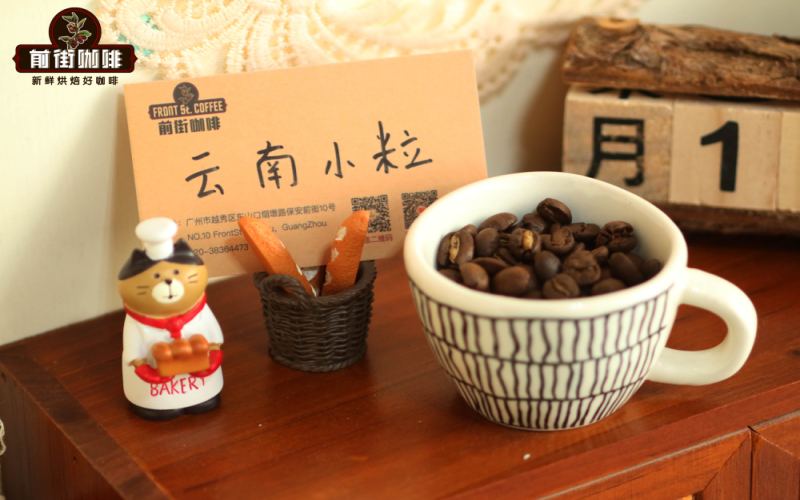
Specialty Coffee Drip Bag Black Coffee Recommendations | Illustrated Tutorial on How to Brew Drip Bag Coffee: What Are Common Mistakes in Drip Bag Coffee Brewing?
For the same beans, freshly roasted coffee and drip bags will have certain differences in flavor, because once coffee is ground into powder, its natural aromas disappear quickly. Of course, Front Street Coffee also has quite a few regular customers who request that the beans be ground before shipping, and in such cases Front Street Coffee generally recommends drinking it as soon as possible. Of course, compared with pour-over, drip bags are [more…]
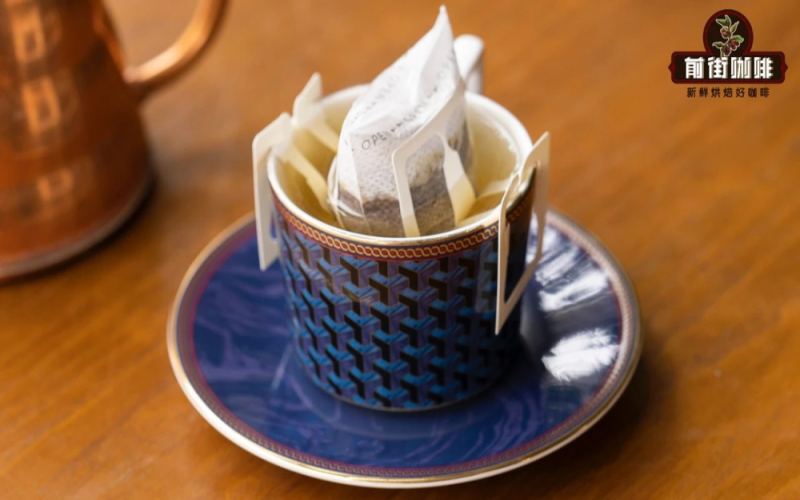
Analysis of Why Drip Bag Coffee Tastes Weak After Brewing and a Detailed Guide to the Correct Pouring Technique
Drip bag coffee has become the top choice for many people's daily coffee thanks to its convenience, but quite a few first-timers find that the coffee they brew tastes weak and bland. Behind this lie both mistakes in brewing method and parameters such as water temperature and the amount of water poured. This article starts from the principles of extraction, analyzes the common reasons why drip bag coffee turns out weak, and then breaks down the correct pouring process step by step, including blooming time, the rhythm of staged pouring, and control of the coffee-to-water ratio. It will also cover how to choose drip bag products based on the flavor characteristics of the coffee beans themselves, so that every cup of drip bag coffee can show the layers of flavor it deserves. [more…]
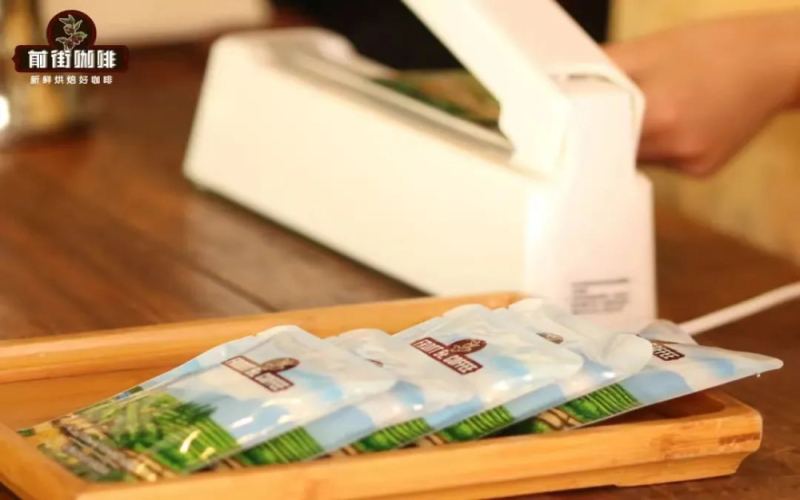
How Should You Brew Drip Bag Coffee Correctly? From Blooming to Coffee-to-Water Ratio, a Full Flavor Analysis of Ten Specialty Drip Bag Brands
Drip bag coffee, with its portability and ease of use, has become the top choice for many people drinking specialty coffee daily. But the seemingly simple four steps—tear, hang, pour, remove—actually hide many details that are easy to get wrong. Based on Front Street Coffee's hands-on experience, this article systematically sorts out the correct brewing process for drip bag coffee and four common operational mistakes, and shares three key techniques for enhancing flavor: pouring water with a narrow-spout kettle, controlling the coffee-to-water ratio, and managing water temperature. At the end, it lists ten representative drip bag products under Front Street, covering regional flavors such as Panama Butterfly, Kenya Little Tomato, Yirgacheffe Red Cherry, Mandheling, and Brazil Cerrado, with options ranging from acidic, full-bodied, to winey, making it easy to choose according to taste. [more…]
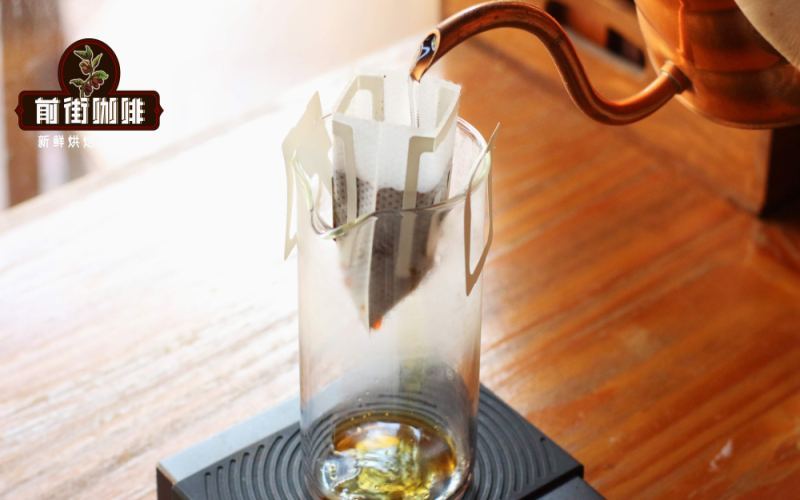
Why shouldn't drip bag coffee be steeped for a long time? The correct brewing method for filter-style black coffee and an analysis of how many times it can be brewed
Many friends who are new to drip bag coffee often run into this confusion: the brewed coffee comes out weak and tasteless, or the acidity and bitterness are out of balance with a thin mouthfeel. The root of these problems is often closely tied to the brewing method. This article, compiled by Front Street Coffee, covers freshness management for drip bag coffee, common mistakes, the choice of cup and water temperature, and a standardized three-stage pouring process. It also answers questions such as whether drip bag coffee can be brewed repeatedly and why it cannot be steeped like a tea bag, helping you consistently produce a full-flavored cup of filtered black coffee with simple methods. [more…]
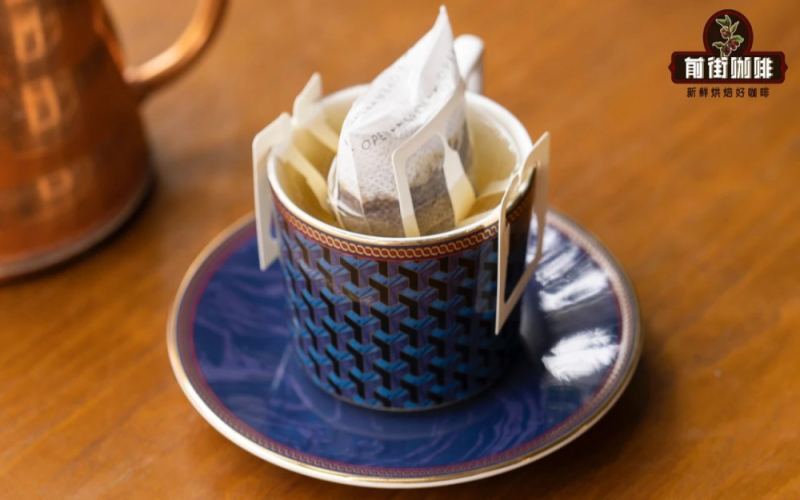
Will Drip Bag Coffee Over-Extract If Brewed Too Long? Analyzing the Essential Differences Between Drip Bag and Instant Coffee and the Correct Brewing Method
Many people believe that the longer you steep a drip bag coffee, the stronger the flavor will be. In reality, prolonged steeping extracts too many impurities, resulting in an over-extracted brew that is both strong and bitter. Drip bag coffee originates from pour-over coffee and uses a pouring method rather than direct steeping, which allows for better control of water volume and extraction level, delivering the ideal flavor. Additionally, although drip bag coffee and instant coffee sit on the same shelf, they are completely different products—the former is black coffee, while the latter often contains additives and has a low coffee content. This article will explain in detail how to avoid common mistakes and brew a delicious cup of drip bag coffee, covering everything from brewing principles and variety selection to specific operational steps, and will provide adjustment methods for issues such as being too sour, too bitter, or too weak. [more…]
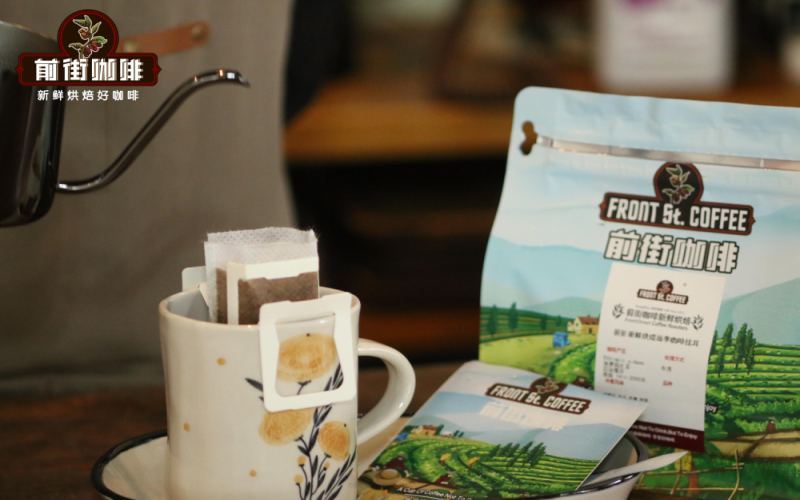
The Complete Guide to Brewing Yirgacheffe Drip Coffee: Time, Number of Brews, and the Correct Office Method Explained
Drip bag coffee, with its combination of convenience and flavor, has become the top choice for many coffee lovers in the office and at home. But exactly how long should a drip bag be brewed, can it be brewed repeatedly, and how should water be poured to fully release the aroma? Taking the Yirgacheffe drip bag as an example, this article starts with Front Street Coffee's bean selection and packaging process, and sorts out the optimal tasting period for drip bag coffee, common brewing mistakes, and the correct operating steps, to help you consistently brew a cup of black coffee with bright floral notes and a full, sweet aftertaste even during busy work breaks. [more…]
What's the difference between pour-over and drip bag coffee? A comprehensive analysis of the differences between the two, from brewing equipment to operational process.
Do people who love pour-over coffee look down on drip bag coffee? Are those who drink drip bag coffee clueless about pour-over? In reality, there is no fundamental opposition between the two. Many regulars at Front Street Coffee buy coffee beans to brew pour-over at home and also keep some drip bags on hand for convenience. Simply put, drip bag coffee is a simplified version of pour-over. This article will systematically sort out the specific differences between pour-over coffee and drip bag coffee from multiple angles such as brewing equipment, operating process, time control, and shelf life, and also include the correct brewing steps and common mistakes for drip bag coffee, helping coffee lovers choose the right method according to their needs. [more…]
How do you drink Blue Mountain No. 1 drip bag coffee? How do you brew Blue Mountain drip bag coffee correctly?
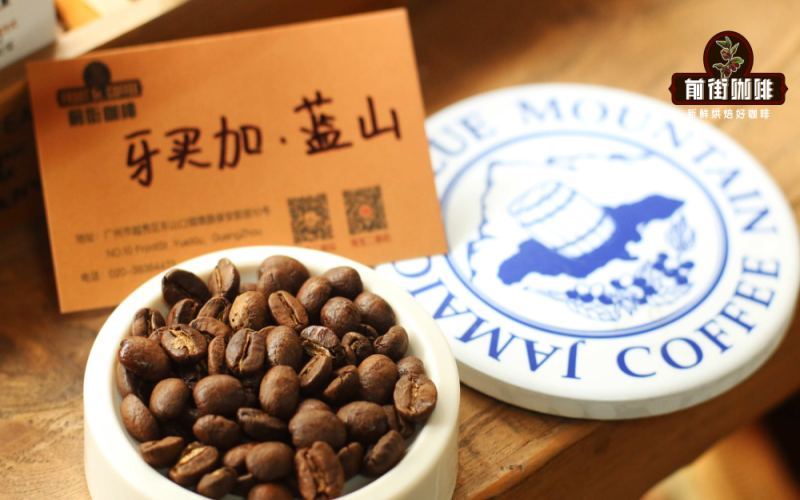
Brewing drip bag coffee may seem simple, but slight deviations in water temperature, pour volume, and steeping time can greatly diminish the flavor. Starting from the practices at Front Street Coffee, this article systematically sorts out the correct brewing steps and common pitfalls of drip bag coffee, answers questions such as whether drip bags can be re-brewed and why their optimal flavor period is shorter than that of coffee beans, and explains whether Blue Mountain drip bag coffee is truly made from Jamaican Blue Mountain beans. Finally, it includes recommendations for several single-origin beans from Front Street that are suitable for making drip bags, for coffee lovers to choose according to their taste. [more…]
Nine common operational mistakes made by pour-over coffee beginners—only by troubleshooting them one by one can you consistently reproduce good flavor
When brewing coffee at home, you follow the barista's advice to the letter, yet the result is always far from what you get in the café. The problem often isn't how advanced your technique is, but rather some easily overlooked basic details. Front Street Coffee has sorted out the nine most common operational oversights among beginners: not rinsing the grinder before grinding beans, which causes flavor transfer; the filter paper not sitting flush against the dripper; over-tamping the grounds; inadequate checking before pouring; confirming water temperature too early; uneven blooming; imprecise execution of parameters; staring only at the digital scale and not at the coffee bed; and drinking without swirling the coffee first. These steps seem minor, yet they directly affect extraction uniformity and the final taste. Only by checking them one by one and turning them into habits can you reduce sources of instability at the root and more quickly find the real reason your coffee doesn't taste good. [more…]
Analysis of the Pros and Cons of Regularly Drinking Drip Bag Coffee: Health Effects, Purchasing Key Points, and Standard Brewing Methods
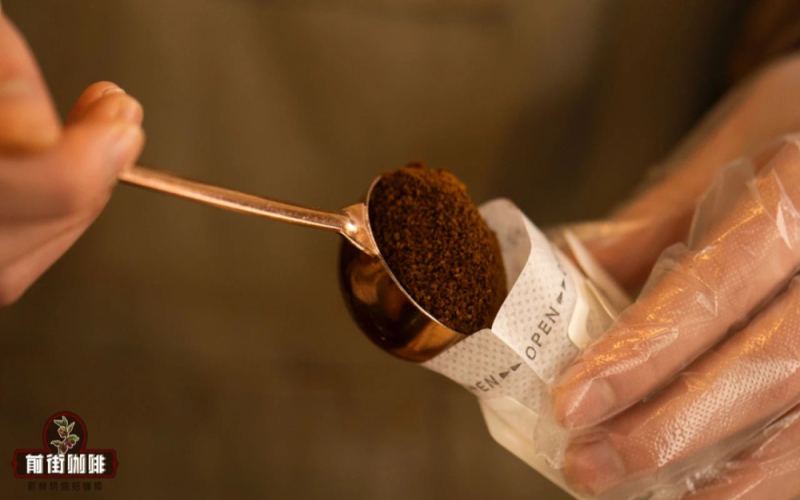
Drip bag coffee has become a daily choice for many coffee lovers thanks to its portability and fresh-ground flavor. But what exactly are its health benefits and risks? How much is appropriate to drink each day? This article starts with caffeine intake and the positive and negative effects on the body, then moves on to how to choose Front Street drip bag products that suit your personal taste, and finally breaks down in detail the standard brewing process—from water temperature and coffee-to-water ratio to pouring technique—to help you avoid common pitfalls and consistently brew a delicious cup of drip bag coffee at home. [more…]
How should you brew drip bag coffee to make it taste good? Master the water temperature and amount, and you can easily make drip-filtered black coffee.
Drip bag coffee offers both convenience and flavor, but many people easily fall into pitfalls when brewing it. This article starts with the essence of drip bag coffee, explains how it differs from instant coffee, and answers common questions: Should you pour water in a circular motion, and is blooming necessary? What is the right water temperature? How should the amount of water be controlled? The article also provides a simple, easy-to-follow four-stage pouring demonstration—all you need is a drip bag, a cup, and a thermos, and you can consistently brew a delicious cup of drip coffee. It also recommends Front Street Coffee drip bags, ideal for friends who are traveling or pursuing minimalism. [more…]
How to brew pour-over coffee grounds to make it taste good? Analysis of nine detailed mistakes beginners often make
Many friends who are just getting into pour-over coffee encounter this confusion: they've bought the same beans as the café uses and followed the brewing recommendations, yet the cup they make tastes far different from what they had in the shop. In fact, the problem often isn't about how advanced your technique is, but rather a few easily overlooked small details. From purging the grinder before grinding, filter paper fitting, and the force of tapping the grounds, to checking before pouring, water temperature control, and bloom saturation, and further to executing parameters, observing the coffee bed, and swirling before drinking—every step can sway the final flavor in the cup. Front Street Coffee has put together nine details that beginners most easily overlook, to help you eliminate unstable factors at the source and bring every brew closer to the ideal taste. [more…]
How to brew drip bag black coffee for a rich and aromatic cup? Pros and cons, benefits, and classic bean recommendations for drip bag coffee
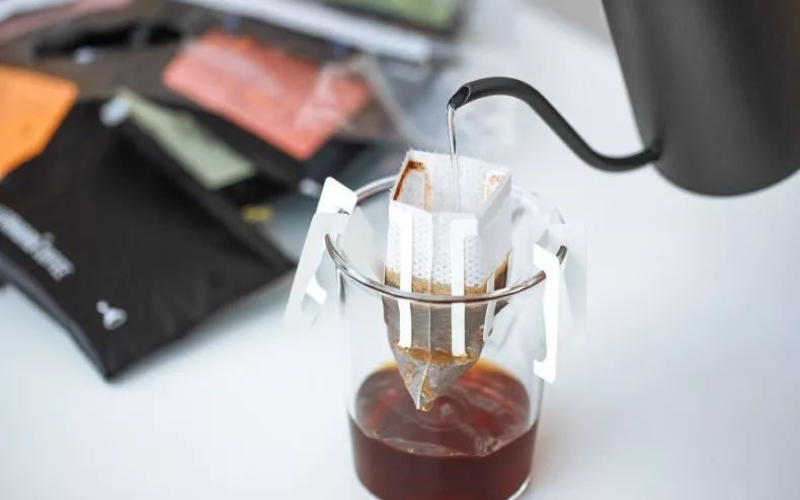
For busy office workers who want a rich cup of black coffee but don't necessarily have the time to fiddle with a full pour-over setup, drip coffee bags fill this gap perfectly — all you need is hot water and a cup, and in a few minutes you have a nicely aromatic coffee. But many people find that their drip bag coffee always turns out a bit weak, with insufficient aroma. This article starts with the origins of drip bag coffee, brewing parameters, and common mistakes, then gives specific step-by-step instructions, while also explaining the benefits and limitations of drip bag coffee. At the end, it also recommends several classic coffee beans suitable for making into drip bags, including Front Street washed Yirgacheffe Gededin, Front Street Brazil Queen's Estate, and Front Street Sidamo Huakui, making it easy to choose according to flavor. [more…]